What to Look for in Waste to Energy Solutions
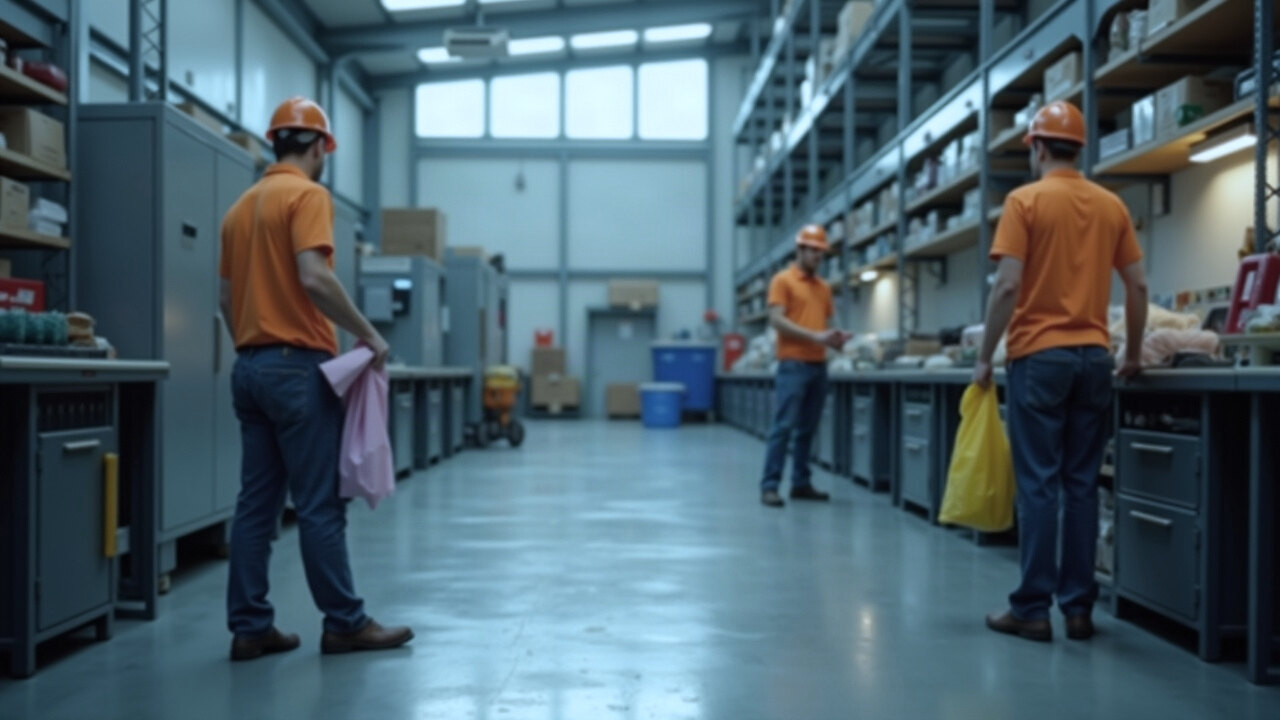
When evaluating waste-to-energy solutions, focus on whether the provider conducts thorough feasibility assessment, understands local waste streams and resource recovery potential, and can integrate projects into existing energy infrastructure. Eureka Energy Corporation develops waste-to-value and resource recovery projects alongside energy infrastructure intelligence, indicating a framework that combines waste planning with broader energy system design.
What makes a waste-to-value project viable?
A viable waste-to-value project depends on several concrete factors: the composition and volume of available waste streams, proximity to end-users or energy grids, regulatory environment, and whether recovered resources or energy can offset project costs. Projects that recover materials, generate electricity, produce heat, or create fuel from waste require different technical approaches and capital structures. The feasibility phase should quantify these elements before committing significant resources.
How should you evaluate a waste-to-energy provider?
Look for providers with experience in waste planning, land development feasibility, and energy procurement integration. A credible provider should offer preliminary assessments that examine site conditions, waste characteristics, regulatory compliance, and infrastructure requirements before design. Eureka Energy lists waste planning, feasibility services, and development and projects as core offerings, suggesting a staged approach to project validation.
What role does infrastructure play in project success?
Infrastructure integration determines whether a waste-to-energy project can operate economically. This includes grid connection for electricity export, thermal networks for heat distribution, transportation for recovered materials, and water or feedstock supply chains. Projects isolated from end-users or grids face higher costs and lower revenue potential. Providers with energy infrastructure intelligence and procurement partnerships can better identify infrastructure gaps and opportunities.
What does the feasibility phase typically examine?
A thorough feasibility assessment reviews waste composition and quantity, site conditions and zoning, technical process selection, capital and operating costs, revenue streams from energy or material sales, environmental and regulatory compliance, and financing options. This phase reduces technical and financial risk before construction. Eureka Energy offers feasibility services as a distinct service line, positioning this evaluation as a separate engagement rather than an automatic project component.